सभी पूजा और धार्मिक कार्यक्रमों के लिए भरोसेमंद पंडित जी बुक करें।
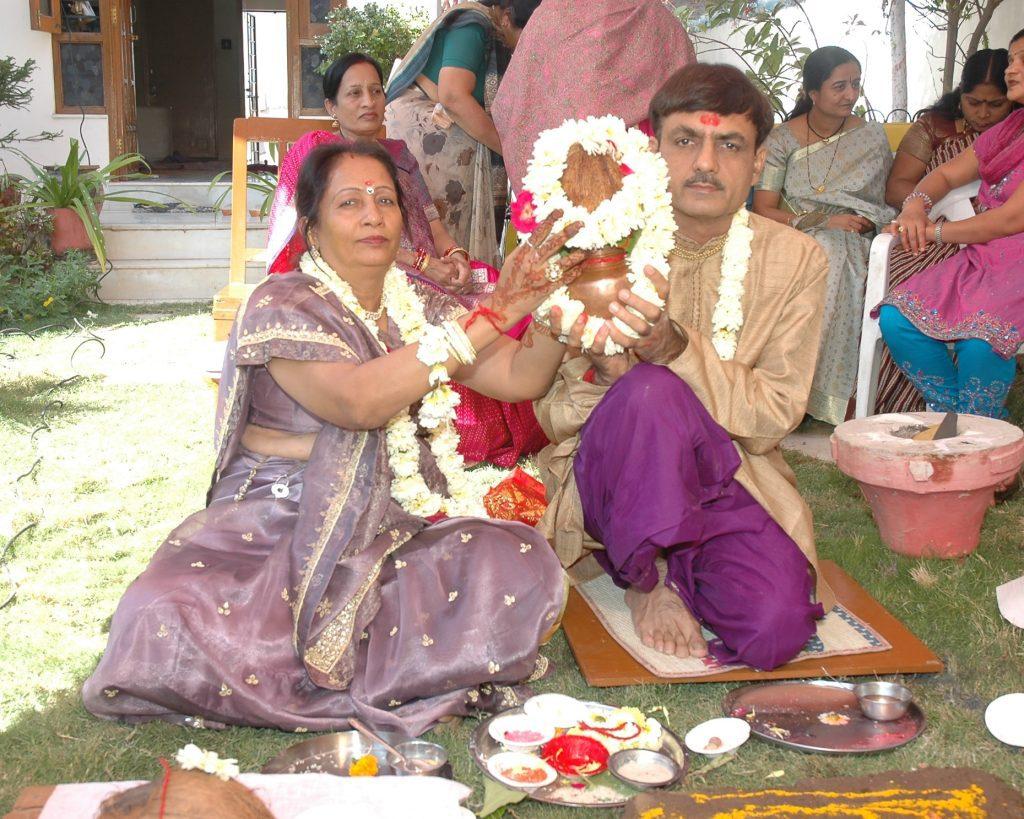
Ghat Sthapna, also known as Kalash Sthapna, is an important Hindu ritual that marks the beginning of Navratri. It is performed to invoke Goddess Durga and establish her divine presence at home or in temples. This ritual symbolizes the creation of life and the arrival of divine energy, making it one of the most auspicious ceremonies in Hindu tradition.
During Ghat Sthapna, a kalash (sacred pot) filled with water is placed on a bed of soil where barley seeds are sown. The kalash is decorated with mango leaves and a coconut, and it represents Goddess Durga. Pandits perform Vedic rituals, chant mantras, and establish the kalash with proper procedures to invite blessings, positivity, and prosperity.
Ghat Sthapna holds great importance as it signifies the start of Navratri and the worship of Maa Durga for nine days. It is believed that performing this ritual with devotion invites divine energy into the home and removes negativity.
This pooja sets the foundation for all Navratri rituals and ensures that the worship is performed in a pure and disciplined manner. It also strengthens spiritual connection and devotion among family members.
Performing Ghat Sthapna brings numerous benefits such as peace, prosperity, and positive energy in the home. It helps in removing negative influences and creates a spiritually uplifting environment.
Another important benefit is the blessings of Goddess Durga for strength, courage, and success. It also promotes harmony, happiness, and well-being in the family. The ritual enhances devotion and spiritual growth during Navratri.
Ghat Sthapna is performed on the first day (Pratipada) of Navratri during an auspicious muhurat, usually in the morning. It is important to follow the correct timing and rituals as guided by a pandit to ensure the effectiveness of the pooja.
The ceremony is conducted by experienced pandits following proper Vedic methods. With devotion and proper rituals, Ghat Sthapna becomes a powerful spiritual practice that marks the beginning of a blessed and prosperous Navratri.